Peanuts and brain health

Peanuts and brain health
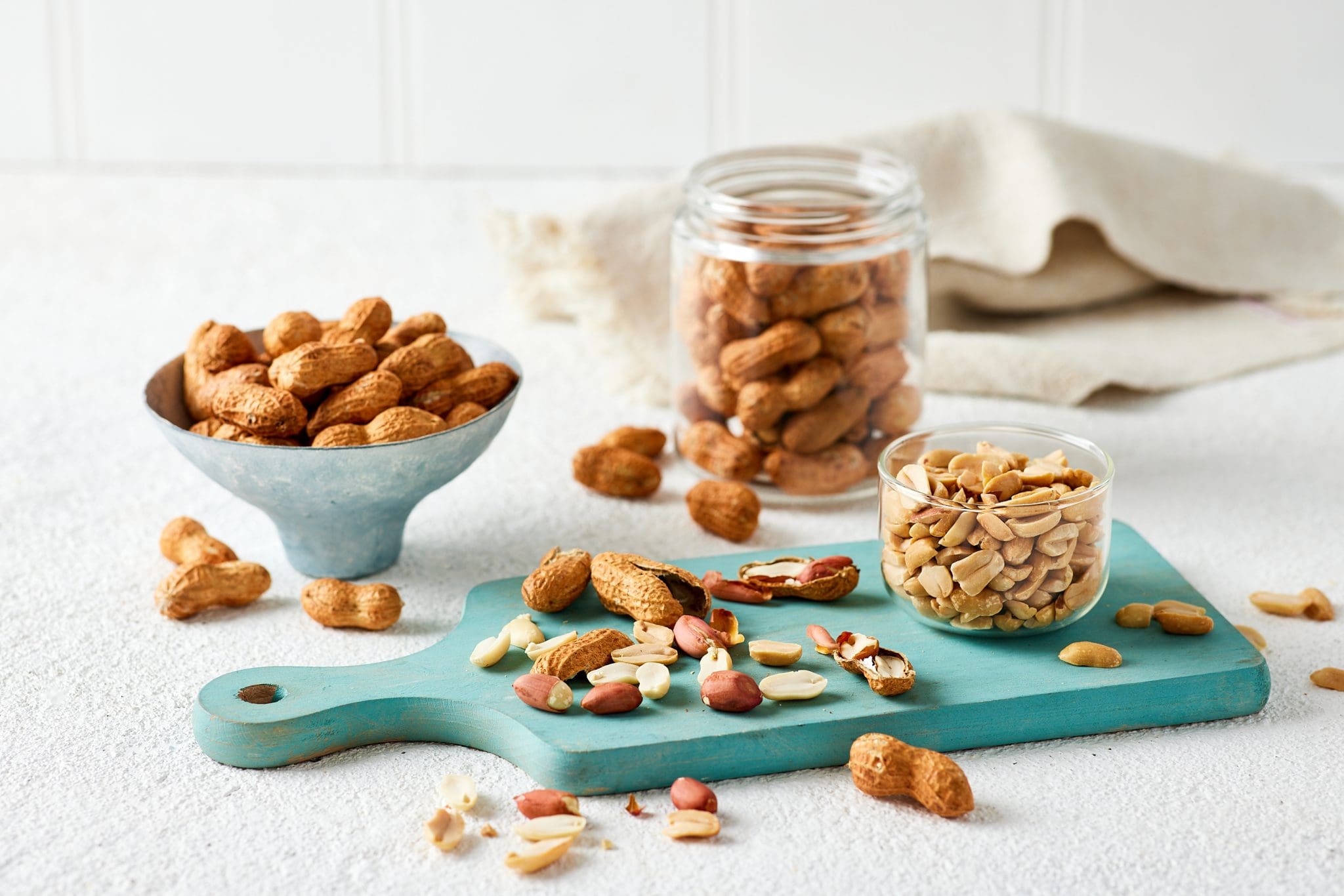
New research suggests that eating two servings of peanuts a day may help support brain health in older adults (1).
Researchers at Maastricht University Medical Centre in the Netherlands investigated the longer-term effects of peanut consumption on brain vascular function and cognitive performance.
They found that, after four months of eating 60g of peanuts daily, participants had greater blood flow in brain regions linked to memory and cognition.
The findings were recently published in the journal Clinical Nutrition.
About the study
The randomised, crossover trial, included 31 healthy participants who either ate 60g/day of unsalted, roasted peanuts with the skin on, or no peanuts (control) for 16 weeks. After an 8-week washout period (or break), participants switched to the other study phase.
The participants, both men and women, had an average age of 67 years.
And for the first time in a study of this kind, cerebral blood flow (CBF) was measured at follow-up through an advanced magnetic resonance imaging (MRI) method – a gold-standard for the non-invasive assessment of CBF.
Following a healthy diet is a key modifiable factor known to slow cognitive decline in otherwise healthy older adults. Diets such as the Mediterranean, DASH, and MIND diets have been linked to better cognitive health and a lower risk of dementia. A shared characteristic of these diets is regular nut consumption.
The key findings
After 16 weeks of daily peanut consumption, participants showed a 3.6% increase in overall CBF and a 4.5% increase in grey matter CBF, compared with the control period, suggesting improved brain vascular function.
For context, previous research shows that CBF typically declines by 0.37% per year with age (2).
Memory performance also improved, particularly in verbal memory. During the delayed recall part of a ‘verbal recognition memory’ task, peanut group participants correctly remembered 1.4 more words from an 18-word list after a 20-minute delay – a 5.8% improvement.
Regional CBF (referring to the blood flow in specific areas or regions of the brain) was also assessed. CBF increased by 6.6% in the frontal lobe and 4.9% in the temporal lobes of the brain, during the peanut phase.
These areas are critical for processing verbal information, suggesting a possible mechanism for the observed memory improvements.
No significant changes were seen in executive function or psychomotor speed, but systolic blood pressure and pulse pressure (the difference between systolic and diastolic blood pressure) decreased during the peanut intervention.
Finally, peanuts were well-tolerated, and participant compliance was 100%.
How peanuts may support brain health
Peanuts contain a unique combination of nutrients that may support brain health.
They are rich in protein – and contain particularly high amounts of L-arginine. One of the key roles of L-arginine is helping the body produce nitric oxide, which relaxes blood vessels and improves blood flow.
Peanuts are also a rich source of unsaturated fatty acids and antioxidant polyphenols (such as resveratrol and flavonoids), both of which have been shown to support vascular health.
And the short-chain fatty acids, produced when fibre-containing foods, like peanuts, are fermented in the gut, are known to play a role in gut–brain interactions and may thereby influence brain health and cognitive performance.
The bottom line:
This study shows that eating two handfuls of unsalted, skin-roasted peanuts daily for 16 weeks boosts brain vascular function in healthy older adults.
The researchers suggest that future studies could explore the effects of varying peanut intake and testing different time periods, as well as whether similar benefits are seen with other peanut ‘preparations’, including boiled peanuts and peanut butter.
References
- Kerkhof, L. et al., Longer-term skin-roasted peanut consumption improves brain vascular function and memory: A randomized, single-blind, controlled crossover trial in healthy older adults. Clinical Nutrition, 2025. 55: 170-79.
- Bentourkia, M. et al. Comparison of regional cerebral blood flow and glucose metabolism in the normal brain: effect of aging. J Neurol Sci, 2000. 81:19-28.

For information purposes only. ©2026 Nuts for Life